A 15-year loan is typically utilized to a mortgage the debtor has been paying for for a number of years. A 5-1 or 7-1 variable-rate mortgage (ARM) may be an excellent choice for someone who expects to move again in a couple of years. Selecting the right kind of home loan for you depends upon the type of customer you are and what you're looking to do.
Debtors with strong credit, on the other hand, might get a better handle a traditional home loan backed by Fannie Mae or Freddie Mac. A is a type of home mortgage used to obtain money by utilizing your house equity as security. However a may offer greater flexibility. And a cash-out re-finance may be the best choice if you need to obtain a large amount or can lower your home mortgage rate while doing so.
Keep in mind that a single type of home loan might have multiple functions or work for several different functions. Long-term home mortgage designed to be settled in thirty years at a set rate of interest House purchase, mortgage re-finance, cash-out re-finance, home equity loan, jumbo home mortgage, FHA, VA, USDA Medium-term home loans developed to be paid off in 15-20 years at a set rate Home purchase, home mortgage refinance, cash-out refinance, home equity loan, jumbo home loan, FHA, VA.
Interest payments only for a set period of time before principle must be paid off Home construction loans, HELOCs, jumbo loans, ARMs, balloon payments A second mortgage, or lien, utilized to cover part of the purchase rate of a home. Partial or entire deposit in order to prevent paying for home mortgage insurance coverage; financing jumbo part of high-end house purchase so that the rest can be covered with a lower-rate adhering loan (how many mortgages in one fannie mae).
Loan protected by the equity in the debtor's house; that is, the home works as collateral for the loan - how many mortgages in a mortgage backed security. A kind of second home mortgage, or lien. Obtaining money for any purpose wanted by the homeowner, frequently house improvements or other significant costs. Fixed-rate, ARM, interest-only, balloon payment alternatives. A type of house equity loan in which you have a pre-set limit you can borrow against as needed.
Obtaining money at irregular periods for any purpose preferred. Draw period is generally an interest-only ARM; repayment typically a fixed-rate loan. A classification of house equity loans for individuals age 62 and above. Monthly stipends to supplement retirement earnings; month-to-month money advances for a limited time; HELOC to draw as required.
A Biased View of How To Hold A Pool Of Mortgages
Alternatives consist of fixed-rat A single deal to both re-finance your present mortgage and obtain against your available home equity. Obtaining cash for any purpose preferred by the property owner, in addition to any of the other possible usages of refinancing. Fixed-rate or ARM. Government-backed program to help homeowners with low- and negative-equity (undersea) home loans refinance to more favorable terms.
Refinancing main home mortgages. 30-year, 20-year and 15-year fixed-rate options. Federal government program designed to assist in home ownership. House purchase, refinancing, cash-out refinance, house enhancement loans. 30-year, 15-year fixed-rate, ARMs, HELOCS House loan program for members and veterans of the armed forces and specific others. Home purchase, home mortgage refinancing, house improvement loans, cash-out re-finance.
Program to help low- to moderate-income persons acquire a modest home in backwoods and little neighborhoods. Home purchases, refinancing. 30-year fixed-rate home mortgage only The different types of home mortgage loans each have their own pros and cons. Here's a breakdown of what you may like Check over here or not like about different mortgage.
Long-term commitment, higher rates than shorter-term loans, equity constructs gradually; greater long-lasting interest expense than shorter-term loans. Lower rates than 30-year home mortgage, rate doesn't alter, steady payments, shorter benefit, build equity rapidly, less interest paid over time. Higher regular monthly payments than a 30-year loan, lower interest payments could impact ability to make a list of reductions on income tax return.
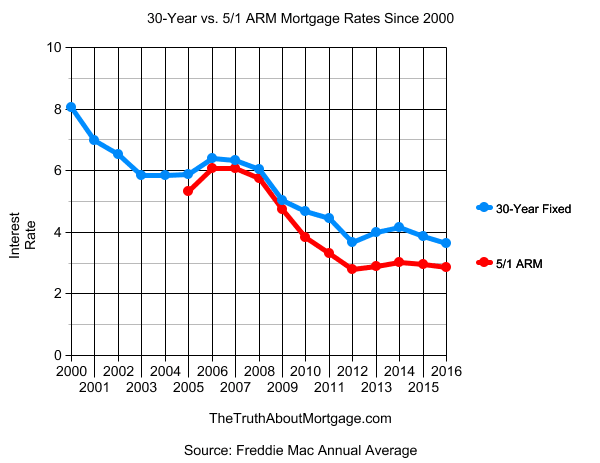
Unpredictable; rate might change higher; monthly payments might increase significantly; refinancing may be needed to avoid large payment boosts when rates are rising. Credits on concept; flexibility to make extra payments if wanted. Greater rates than on fully amortizing loans; higher payments during amortization period than on loans where concept payments begin immediately.
Paying conforming rate on part of jumbo home loan reduces interest payments. 2nd lien can make re-financing more tough. Different costs to pay each month. Much shorter amortization on piggyback loans can make month-to-month payments higher than they would be for a single primary home loan. hawaii reverse mortgages when the owner dies. Allows you to borrow cash at a lower rates of interest than other, nonsecured kinds of loans.
westland court phone number style="clear:both" id="content-section-2">A Biased View of Hawaii Reverse Mortgages When The Owner Dies
Rates are higher than on a main lien mortgage (such as a cash-out re-finance). Reduced equity can make refinancing harder. Can delay the time you own your house complimentary and clear. Obtain what you require, when you need it; little or no closing expenses; lower preliminary rates than standard home equity loans; interest normally tax-deductable.
No need to repay http://josuequnw343.bearsfanteamshop.com/how-which-bank-is-the-best-for-mortgages-can-save-you-time-stress-and-money funds borrowed for as long as you reside in the home; loan liability can not surpass equity in home; customers selecting life time stipend choice continue to get payments even if equity is exhausted; payments are tax-free. how much is mortgage tax in nyc for mortgages over 500000:oo. Expenses are substantially greater than for other kinds of house equity loans; draining pipes equity might leave debtor without financial reserves; extended remain in healthcare facility could cause loan to come due and debtor to lose home.
Need to pay closing costs for new home mortgage, which might offset the benefits of a lower interest rate - what is the maximum debt-to-income ratio permitted for conventional qualified mortgages. Lower rates of interest than a basic house equity loan; borrower does not bring 2nd lien with a separate regular monthly expense; may have the ability to reduce rate on whole home loan; other possible advantages of a standard re-finance.
Allows homeowners to refinance when they would otherwise discover it tough or impossible to do so due to a lack of home equity. Rate of interest acquired through HARP refinancing will be higher than those readily available to debtors with more house equity. Limited to home loans backed by Fannie Mae or Freddie Mac.
Can not be utilized to re-finance second liens. Down payments as little as 3.5 percent of house worth, competitive home mortgage rates, simple refinancing for customers who presently have FHA loans, less strict credit constraints than on standard mortgages. Loan limits restrict quantity that can be obtained; greater costs for mortgage insurance coverage than on standard loans; customers putting up less than 10 percent down needed to carry home mortgage insurance for life of the loan.

May not be used to buy a 2nd house if you have exhausted your advantage on your main home. Can not be utilized to acquire property utilized entirely for financial investment functions. Approximately one hundred percent funding (no deposit), competitive rates, low-cost home loan insurance coverage, broad meaning of "rural" consists of numerous rural locations.
Our Why Are Fixed Rate Mortgages "Closed Loan" PDFs
Various types of mortgages serve different purposes. A loan that fulfills the needs of one customer might not be an excellent suitable for another with various goals or finances. Here's a look at how various types of home loan may or may not be matched for various scenarios and debtors.